
Blog · 7 November 2026 · 6 min read
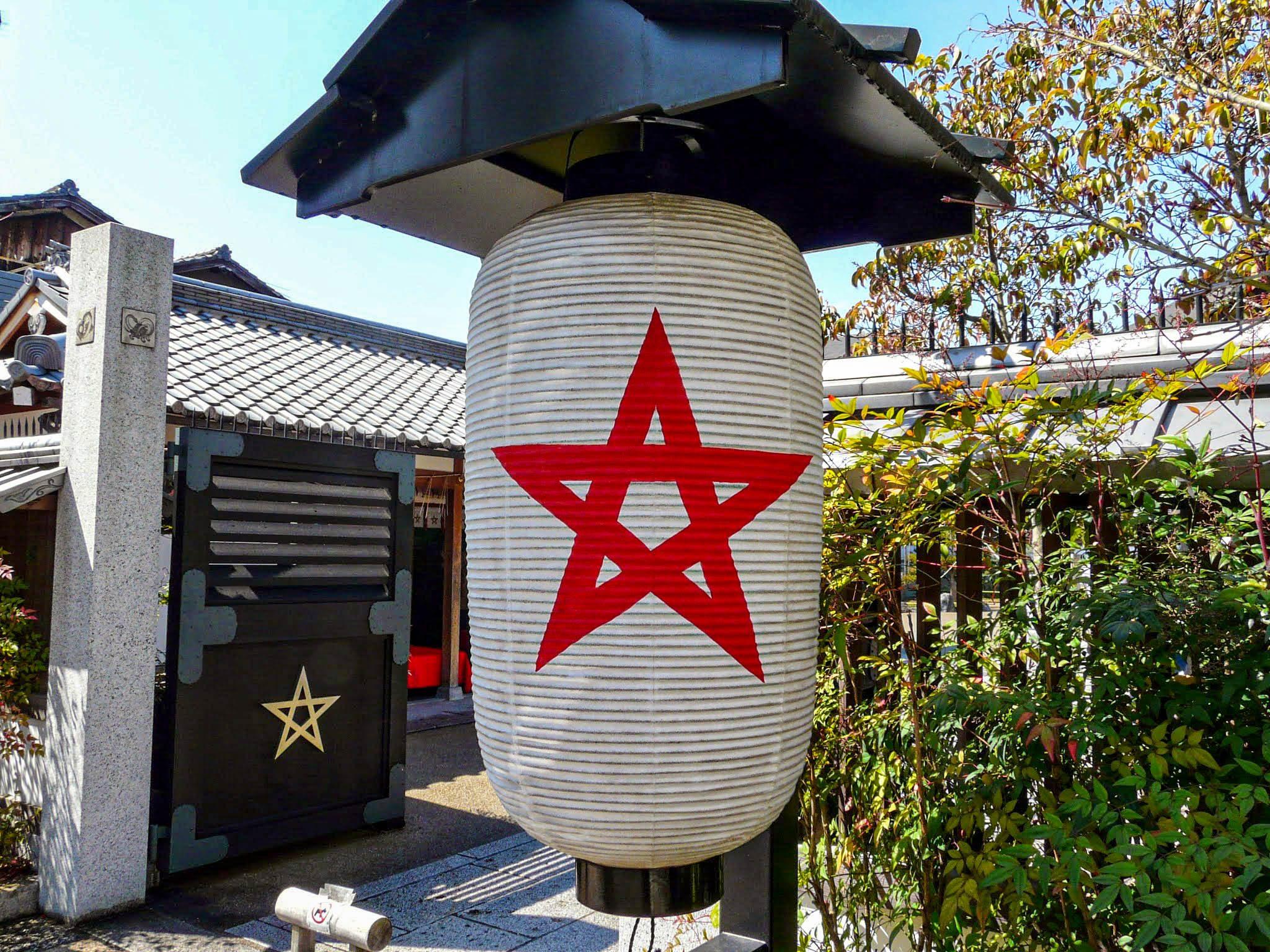
Photo: Naokijp on Wikimedia Commons (CC BY-SA 4.0)

Seimei Shrine is one of Kyoto's most unusual shrines. It honours Abe no Seimei, a Heian-period court diviner who has become a legend in Japan, and its symbol is not a flower or a wave but a five-pointed star. It's small, free and open every day, and it sits on Horikawa-dori, between Nijo Castle and the Kyoto Imperial Palace. This guide covers who Seimei was, what to look for on the grounds, opening hours, how to get there, and how to fit it into a day in Kyoto.
The short version
- Free, open 9 am to 5 pm every day. The charm and goshuin counter closes at 4:30 pm.
- Allow 20 to 30 minutes. The grounds are small.
- Don't miss the star on the torii gate, the well that turns to face each year's lucky direction, and the peach you rub to ward off bad luck.
- Getting there: city bus 9 from Kyoto Station to Ichijo Modoribashi / Seimei Jinja-mae, or about 12 minutes on foot from Imadegawa subway station.
- Pair it with Nijo Castle and the Kyoto Imperial Palace, both close by.
Who was Abe no Seimei?
Abe no Seimei served the imperial court in the Heian period, when Kyoto was Japan's capital. He was an onmyoji, a master of onmyodo, the Way of Yin and Yang: a blend of astronomy, calendar-making and divination that the court used to read the stars, choose lucky days and directions, and protect the emperor from misfortune.
Seimei was so good at it that legends grew around him. Stories say he could see spirits, and that he kept shikigami, invisible spirit helpers, to do his bidding. According to tradition, after his death in 1005, Emperor Ichijo ordered a shrine built on the site of his house in 1007. The grounds were once far larger, but war and city rebuilding shrank them over the centuries. The main hall you see today dates from 1905.
Seimei is still a pop-culture star. Baku Yumemakura's Onmyoji novels and the films and manga based on them made him a household name, and figure skater Yuzuru Hanyu's free skate program "SEIMEI" brought fans from around the world to the shrine.
What to see
The shrine is compact, and you can see everything in a short loop from the main gate. These are the highlights, as described in the shrine's own guide to its grounds.
- The first torii gate. Instead of the shrine's name, the plaque on the gate shows a gold five-pointed star, the shrine's crest, called the Seimei kikyo after the bellflower. The shrine says a crest like this on a torii is rare anywhere in Japan.
- The old Ichijo Modoribashi bridge. A small copy of the bridge stands inside the grounds, using pillars from the old one. The real Ichijo Modoribashi crosses the Horikawa about 100 metres south of the shrine. Legend says Seimei hid his shikigami under the bridge, and a stone figure of a shikigami now crouches beside the copy. The name means "returning bridge", and some wedding processions still avoid it so the bride doesn't "return" home.
- The Seimei Well. Said to have sprung up through Seimei's power, its water is believed to help with healing. The spout faces that year's lucky direction, and the shrine turns it on Risshun, the first day of spring in the old calendar, each February.
- The peach. In China and in onmyodo, the peach drives away evil. Rub the peach to pass your bad luck on to it.
- The statue of Seimei. Based on the shrine's portrait of him, it shows Seimei gazing up at the stars, his hands forming a sign under his robe.
- The sacred camphor tree. About 300 years old, according to the shrine. The shrine invites visitors to place both hands on the trunk.
- The main hall. Look for the star crest on the hall and the bell. Behind the hall is a small Inari shrine; some legends say Seimei was a rebirth of the Inari deity.
- Sen no Rikyu's house. A stone marks the site of the tea master's residence, and the shrine says Rikyu used water from the Seimei Well for his tea.
Opening hours and fees
| Hours | Cost | |
|---|---|---|
| Shrine grounds | 9 am to 5 pm, every day | Free |
| Charms, amulets and goshuin | 9 am to 4:30 pm | Pay for what you buy |
The charms are a big part of the visit for many people: most carry the star crest, and protective charms against bad luck are what Seimei Shrine is known for. If you collect goshuin, the stamped and handwritten shrine seals, you can get one at the same counter. Come before 4:30 pm if you want either.
Festivals and seasons
| When | What happens |
|---|---|
| January 1 | New Year prayers, with water drawn from the Seimei Well early in the morning |
| Setsubun and Risshun, early February | Setsubun star festival, then the well is turned to the new lucky direction on Risshun, the next day |
| Mid-June to about September | Bellflowers (kikyo), the shrine's emblem flower, bloom in its garden |
| Autumn equinox, September | Seimei Festival, with a procession of the portable shrine through the neighbourhood in the afternoon, and lantern-lit events the evening before |
| November 23 | Ohitaki fire festival |
If you're in Kyoto in early summer, the bellflowers are worth timing a visit for: the five-petalled flower is where the star crest gets its shape and name.
Getting there
Seimei Shrine is on Horikawa-dori, just north of Ichijo-dori, in Kamigyo Ward.
- From Kyoto Station: city bus 9 to Ichijo Modoribashi / Seimei Jinja-mae. The shrine is right by the stop.
- From Shijo or Karasuma: city bus 12 to the same stop.
- By subway: Imadegawa Station on the Karasuma Line, about 12 minutes on foot.
- By taxi: about 20 minutes from Kyoto Station.
Tips and etiquette
- Combine it with something nearby. At 20 to 30 minutes, it's best as part of a half day in this part of Kyoto rather than a trip on its own.
- Photos are fine for personal use. The shrine prohibits commercial shoots, professional photo sessions and drones without permission.
- Leave pets at home. The shrine asks visitors not to bring pets onto the grounds.
- Buy charms for yourself, not to resell. The shrine refuses bulk purchases for resale.
- Go early or late in the day if you want photos of the torii without other visitors in them.
What's nearby
Seimei Shrine sits in the old heart of Kyoto, the area where the emperors and the shoguns had their seats. Two of the city's great sights are close by:
- Nijo Castle, the Tokugawa shoguns' Kyoto residence, about 1.5 km south along the same Horikawa-dori. Famous for its "nightingale floors" that squeak underfoot. See our Nijo Castle hours and tickets guide.
- The Kyoto Imperial Palace, home of the emperors until 1869. Kyoto Gyoen, the park around it, is about 15 minutes' walk to the east. Entry is free. See our Kyoto Imperial Palace guide.
Together they tell the story Seimei was part of: an imperial court that ruled by ritual and the stars, and the warrior government that later took power from it.
See more of Kyoto with a guide
A shrine like this is easy to walk through in ten minutes and miss most of the story. Our English-speaking guides bring Kyoto's history to life, explain what you're looking at, and take you to the places worth your time. These are our Kyoto walking tours.
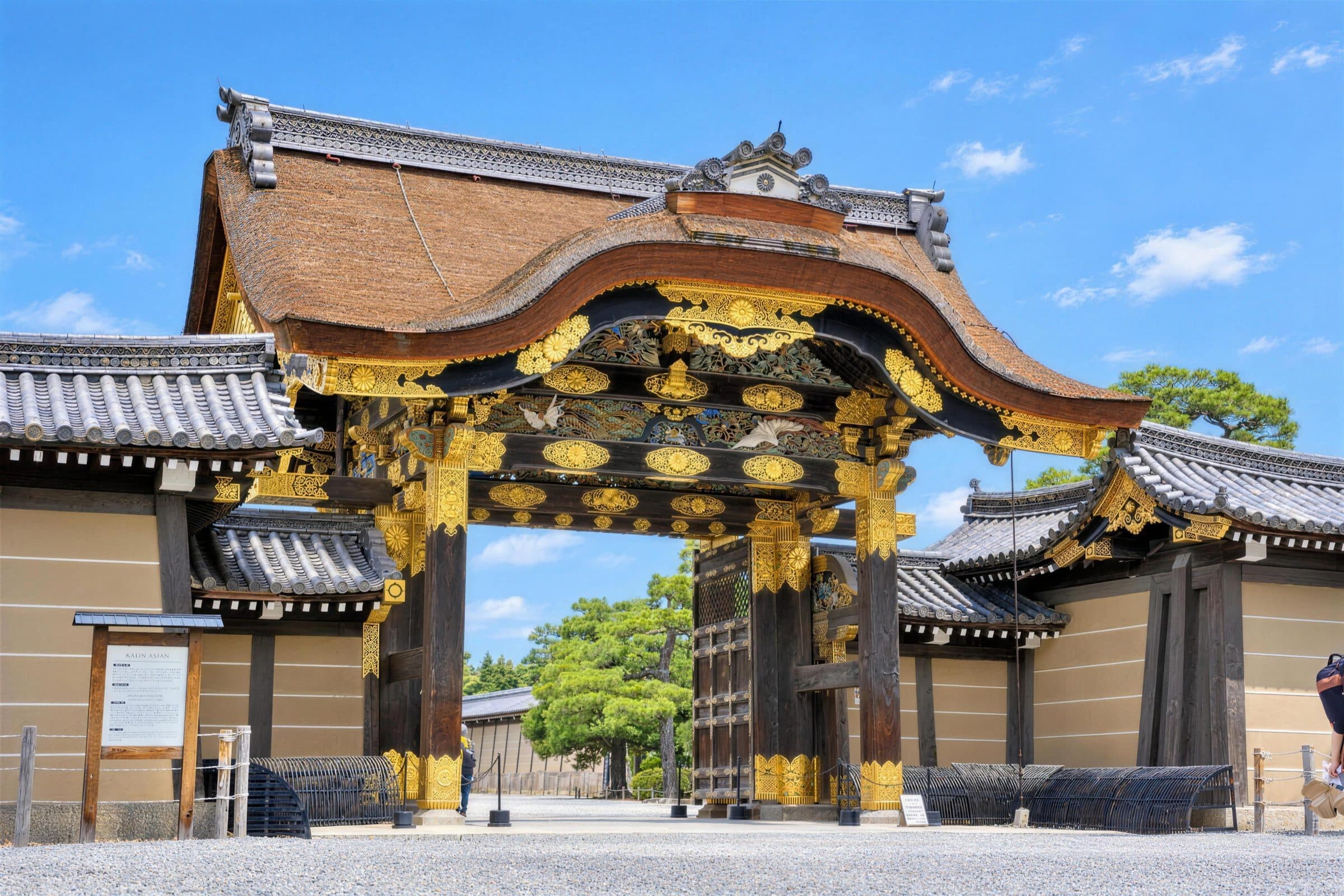
Nijo Castle and the Imperial Palace
The closest to Seimei Shrine, and the natural next step after it. A private tour of the shogun's castle and the emperors' palace, just for your group.
Book this tour
Kyoto: 2.5-Hour Private Nijo Castle & Imperial Palace Tour
A private walk through the shogun's Nijo Castle and the Kyoto Imperial Palace, with an English-speaking guide.
2 h 30 min · Kyoto · Nijo
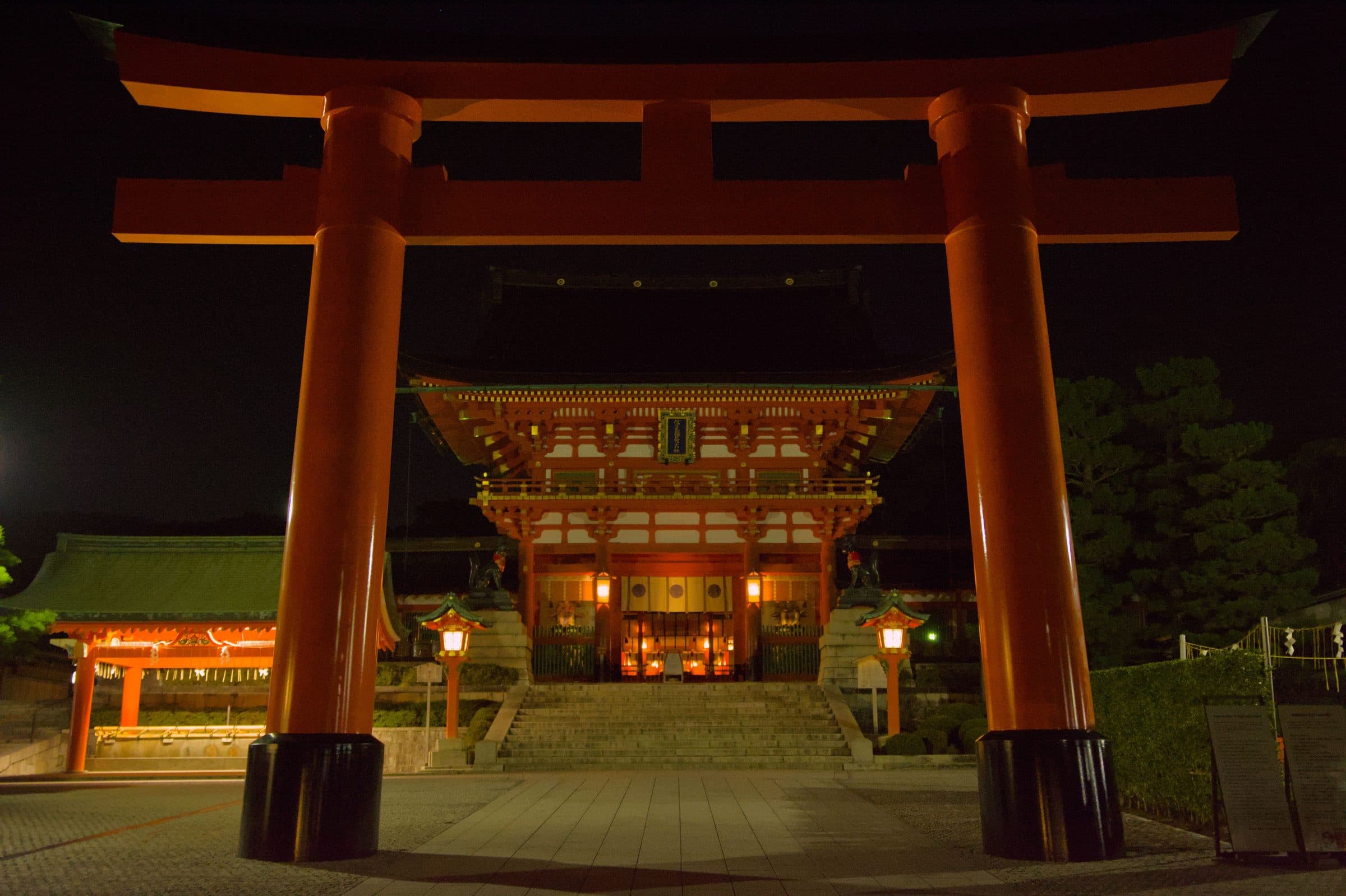
Fushimi Inari at night
Walk the tunnels of vermilion torii gates after dark, when the daytime crowds have gone. Our guide to visiting Fushimi Inari at night explains why evening is the best time to go.
Book this tour
Kyoto: 1.5-Hour Fushimi-Inari Night Walking Tour
See Fushimi Inari's vermilion gates by lantern light, after the daytime crowds have gone.
1 h 30 min · Kyoto · Fushimi
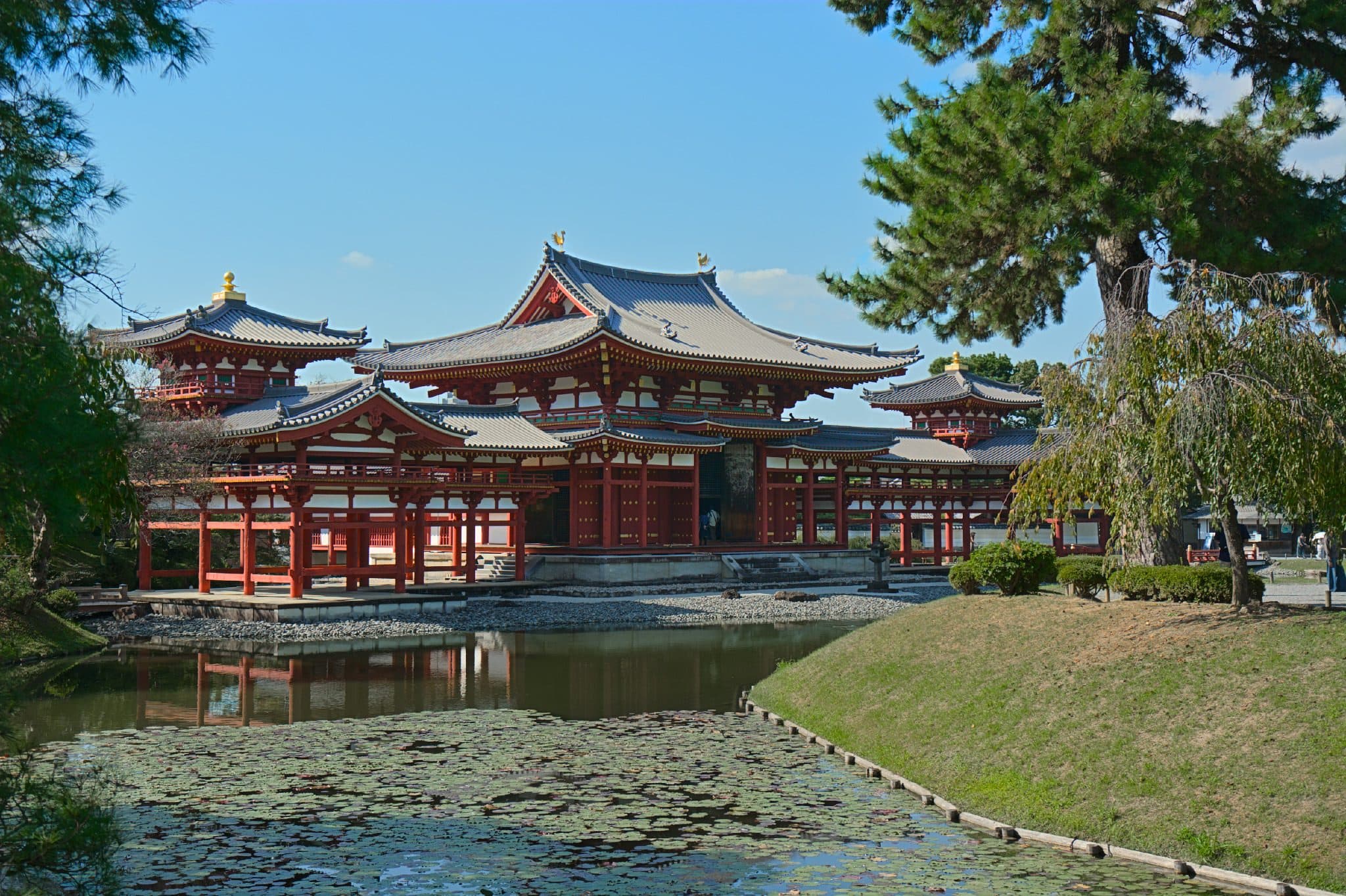
Uji: Byodo-in and the shrines
A short train ride from Kyoto, Uji has Byodo-in's Phoenix Hall, Japan's oldest surviving shrine building and the best matcha in Japan. Like Seimei Shrine, it takes you back to the Heian period.
Book this tour
Kyoto Uji: 2-Hour Byodo-in & Shrines Guided Walking Tour
Walk Uji with a guide: Byodo-in's Phoenix Hall, Japan's oldest surviving shrine building and the bridge from The Tale of Genji.
2 hours · Kyoto · Uji
Not sure which to choose? Ask us anything about planning your days in Kyoto.
Please note. We wrote this guide in November 2026 from Seimei Shrine's official website. Hours and festival dates can change, so check the shrine's website before you go.
Sources
- Seimei Shrine: Official website (Japanese)
- Seimei Shrine: Guide to the grounds (Japanese)
- Seimei Shrine: Hours and access (Japanese)
- Seimei Shrine: Annual events (Japanese)
- Seimei Shrine: Prohibited activities (Japanese)
- Tabi-mag: Seimei Shrine history (Japanese)
Frequently asked questions
Who is enshrined at Seimei Shrine?
Abe no Seimei, the most famous onmyoji (court diviner and astrologer) of the Heian period. According to tradition, Emperor Ichijo had the shrine built in 1007, two years after Seimei's death, on the site of his house.
What are Seimei Shrine's opening hours?
9 am to 5 pm every day, according to the shrine. The counter for charms and goshuin stamps closes at 4:30 pm.
Is Seimei Shrine free?
Yes. There is no admission fee. You only pay for charms, goshuin stamps or prayers if you want them.
Why is there a star at Seimei Shrine?
The five-pointed star is the shrine's crest, the Seimei kikyo, named after the bellflower. It is a protective charm from onmyodo, the Way of Yin and Yang that Seimei practised, and you'll see it on the first torii gate, the main hall, the bell and the charms.
How long do you need at Seimei Shrine?
About 20 to 30 minutes. The grounds are small, so it fits easily into a day with Nijo Castle or the Kyoto Imperial Palace, both nearby.
How do I get to Seimei Shrine from Kyoto Station?
Take city bus 9 from Kyoto Station to the Ichijo Modoribashi / Seimei Jinja-mae stop. The shrine is right by the stop. A taxi takes about 20 minutes. The nearest subway station is Imadegawa, about 12 minutes on foot.
Is Seimei Shrine connected to Yuzuru Hanyu?
Yes, indirectly. The figure skater's free skate program "SEIMEI" was about Abe no Seimei, and since then the shrine has become a place of pilgrimage for his fans from around the world.