
Blog · 28 October 2026 · 6 min read
Walk down the corridors of the Ninomaru Palace at Nijo Castle and the floor sings. Every step sets off a soft, high chirp, like birds hidden under the boards. These are the famous nightingale floors, and they come with a famous story: that the shogun had them built so no ninja could creep up on him. This guide explains how the floors work, what the castle itself says about the ninja story, and how to hear them for yourself.
The short version
- The chirp comes from metal clamps rubbing against nails under the floorboards when the boards move.
- Nijo Castle says the ninja alarm story is a mistake. Other sources disagree, and nobody has proved it either way.
- You hear them in the Ninomaru Palace, which you walk through in your socks. The combined ticket costs 1,300 yen.
- No photos or videos inside the palace, so you have to hear it in person.
What a nightingale floor is
In Japanese it is uguisubari (鶯張り), roughly "warbler boarding". The uguisu is the Japanese bush warbler, a small olive-green bird with a familiar spring song, and it is usually translated into English as nightingale. The name is a compliment: the floor doesn't creak or groan like an old house, it chirps.
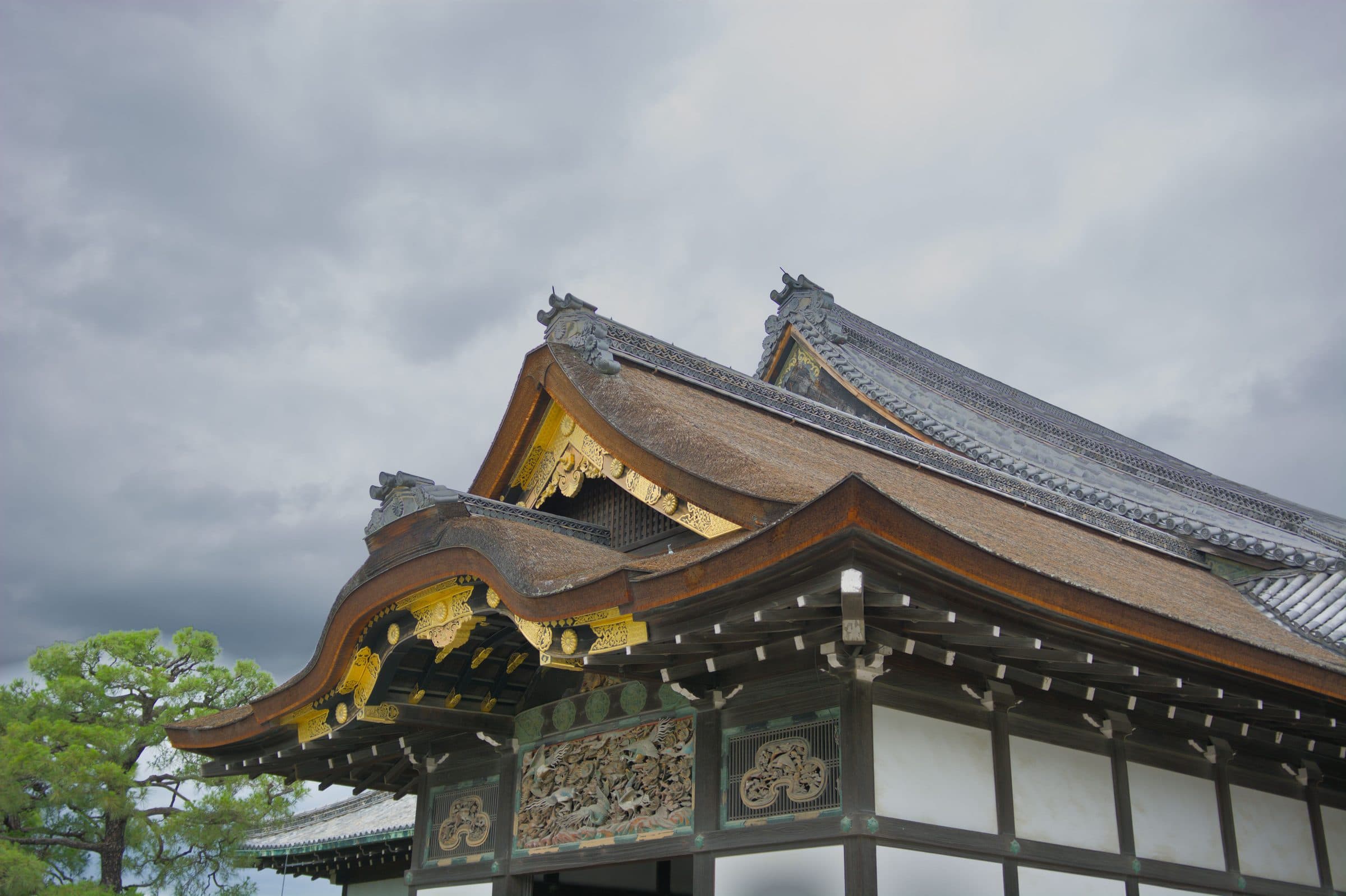
Nijo Castle's are the most famous in Japan, because they are in the corridors of the Ninomaru Palace, the shogun's reception palace and a National Treasure, and because anyone with a ticket can walk on them.
How it works
There is no hidden mechanism or device. The floorboards sit on a framework of wooden beams and are held down with metal clamps and nails. The boards aren't fixed completely rigid, so when you step on one, it moves a tiny amount. As it moves, the clamps rub against the nails, and that metal-on-metal friction makes the chirp.
That is also why the sound changes as you walk: each board moves a little differently, so a group walking down a corridor sets off a ripple of different chirps. Nijo Castle's own website explains it in one line: the sound is caused by clamps moving against nails in the beams that support the floor.
The ninja story: true or not?
The story you will hear everywhere goes like this: the Tokugawa shoguns feared assassins, so the floors were built to chirp, and no ninja could sneak along the corridors without being heard. It is a great story, and it is the reason most people have heard of Nijo Castle.
The castle itself doesn't tell it. Nijo Castle's official website says it is "mistakenly" said that the floors were meant to announce intruders. In the castle's explanation, the chirp is simply what the clamps and nails do as the floor moves.
Not everyone agrees. Here is what three different sources say:
| Source | What it says |
|---|---|
| Nijo Castle (official website) | The floor sounds like a nightingale, but the idea that it was meant to warn of intruders is a mistake. |
| Chion-in temple (official website) | Its nightingale corridor served as a burglar alarm, and the chirp reminds visitors to listen to the Buddha's teachings. |
| JAANUS, a dictionary of Japanese art and architecture | Dry boards chirp naturally, but from the early 1600s builders developed the technique on purpose, to warn of anyone approaching. |
So the honest answer is that nobody knows for certain whether Nijo's floors were designed to chirp, or whether a floor built this way simply chirps and the story came later. What is clear is that there is no record of a ninja ever being caught by one.
The palace the floors protect
The floors are only part of the Ninomaru Palace. It is six connected buildings, laid out from the public rooms at the front to the shogun's private rooms at the back, and it is the only fortified palace complex of its kind still standing, which is why it is a National Treasure.
- Over 3,600 wall paintings. Many were painted when the castle was remodelled for Emperor Go-Mizunoo's visit in 1626, by the young master painter Kano Tan'yu and his studio.
- Rooms ranked by status. Visitors waited in different rooms depending on how important they were, and the closer you were allowed to the shogun, the grander the room.
- The Ohiroma, where samurai rule ended. In 1867 the last shogun, Tokugawa Yoshinobu, gathered his retainers in this great audience hall to discuss handing power back to the emperor, and announced his decision the next day. Less than two months later, the decision to end the shogunate for good was made at the Kyoto Imperial Palace.
Nijo Castle itself was started by Tokugawa Ieyasu, who ordered its construction in 1601 as the Tokugawa family's base in Kyoto. It was expanded to its present size for the emperor's visit in 1626.
How to hear them
You walk the full route through the Ninomaru Palace on the nightingale floors, so you can't miss them. A few tips to hear them at their best:
- Go early. The castle opens at 8:45. In the first hour the corridors are quieter, and you can pick out the chirp of your own steps instead of a crowd's.
- Try walking softly. You'll find it is almost impossible to cross without a sound, which is the whole point of the ninja story.
- Wear socks you're happy to be seen in. You take your shoes off at the palace entrance and walk the route in your socks.
- Don't plan on filming it. Photos and videos are banned throughout the palace.
- Allow 30 to 45 minutes inside the palace, and about an hour and a half for the whole castle with the gardens.
Other nightingale floors in Kyoto
Nijo Castle isn't the only one. The most famous other example is at Chion-in, the head temple of the Jodo sect of Buddhism in Higashiyama, where nightingale corridors about 550 m long connect the main Mieido hall with the temple's other halls. Chion-in's website says the corridor is currently closed to visitors because of construction work on the temple grounds, so for now Nijo Castle is the place to hear one.
Tickets, hours and closed days
| Details | |
|---|---|
| Castle and Ninomaru Palace ticket | 1,300 yen (adults) |
| Castle only | 800 yen; add the Ninomaru Palace for 500 yen at the information desk inside |
| Students | Junior high and high school 400 yen, elementary school 300 yen (castle admission) |
| Opening hours | 8:45 to 17:00, last entry 16:00 |
| Ninomaru Palace closed | Every Tuesday in January, July, August and December; 26 to 28 December; 1 to 3 January |
| Inside the palace | Shoes off, no photos or videos |
On a closed day you can still visit the castle grounds and gardens, but you won't hear the floors, so check the dates before you go.
See it with a guide
Most visitors walk through the palace on their own in half an hour. On our private Nijo Castle and Imperial Palace tour, a Kyoto local walks the nightingale floors with you, explains the paintings and the ranked rooms, and tells the story of the Ohiroma in 1867. Then you continue to the Imperial Palace, where that story ends.
Please note. We wrote this guide in October 2026. Prices, opening hours and closed days can change. Check Nijo Castle's official website before you go.
Sources
- Nijo Castle: Ninomaru-goten Palace
- Nijo Castle: History
- Nijo Castle: Fees
- Nijo Castle: Precautions when entering the castle
- Chion-in: The Seven Wonders of Chion-in
- JAANUS (Japanese Architecture and Art Net Users System): uguisubari
- Wikipedia: Nijō Castle
Frequently asked questions
What is a nightingale floor?
A nightingale floor (uguisubari in Japanese) is a wooden floor that chirps when you walk on it. The best-known example is in the corridors of the Ninomaru Palace at Nijo Castle in Kyoto. The name compares the sound to the song of the uguisu, the Japanese bush warbler, which is usually translated as nightingale.
How does a nightingale floor work?
The floorboards rest on wooden beams, held down by metal clamps and nails. When you step on a board it moves slightly, and the clamps rub against the nails, which makes a high chirping sound. Nijo Castle's own website explains the sound this way.
Were nightingale floors built to catch ninja?
That is the popular story, but Nijo Castle itself says it is a mistake to think its floors were made to announce intruders. Other sources disagree: Chion-in temple says its nightingale corridor served as a burglar alarm, and some reference works say builders developed the technique on purpose in the early 1600s. There is no evidence that ninja were ever caught by one.
Where can I hear a nightingale floor in Kyoto?
The easiest place is the Ninomaru Palace at Nijo Castle, where you walk the chirping corridors in your socks. Chion-in temple also has a famous nightingale corridor about 550 m long, but its website says it is currently closed to visitors because of construction work.
Can you take photos or videos of the nightingale floor?
No. Photos and videos are not allowed inside the Ninomaru Palace, so you can't record the floor. You can take photos outside, on the castle grounds and in the gardens.
How much does it cost to see the Ninomaru Palace?
A combined ticket for Nijo Castle and the Ninomaru Palace costs 1,300 yen for adults. If you already have a castle-only ticket (800 yen), you can add the palace for 500 yen at the information desk inside.
When is the Ninomaru Palace closed?
The Ninomaru Palace is closed every Tuesday in January, July, August and December, and from 26 to 28 December and 1 to 3 January. Nijo Castle opens at 8:45, the last entry is at 16:00 and it closes at 17:00.