
Blog · 8 November 2026 · 9 min read
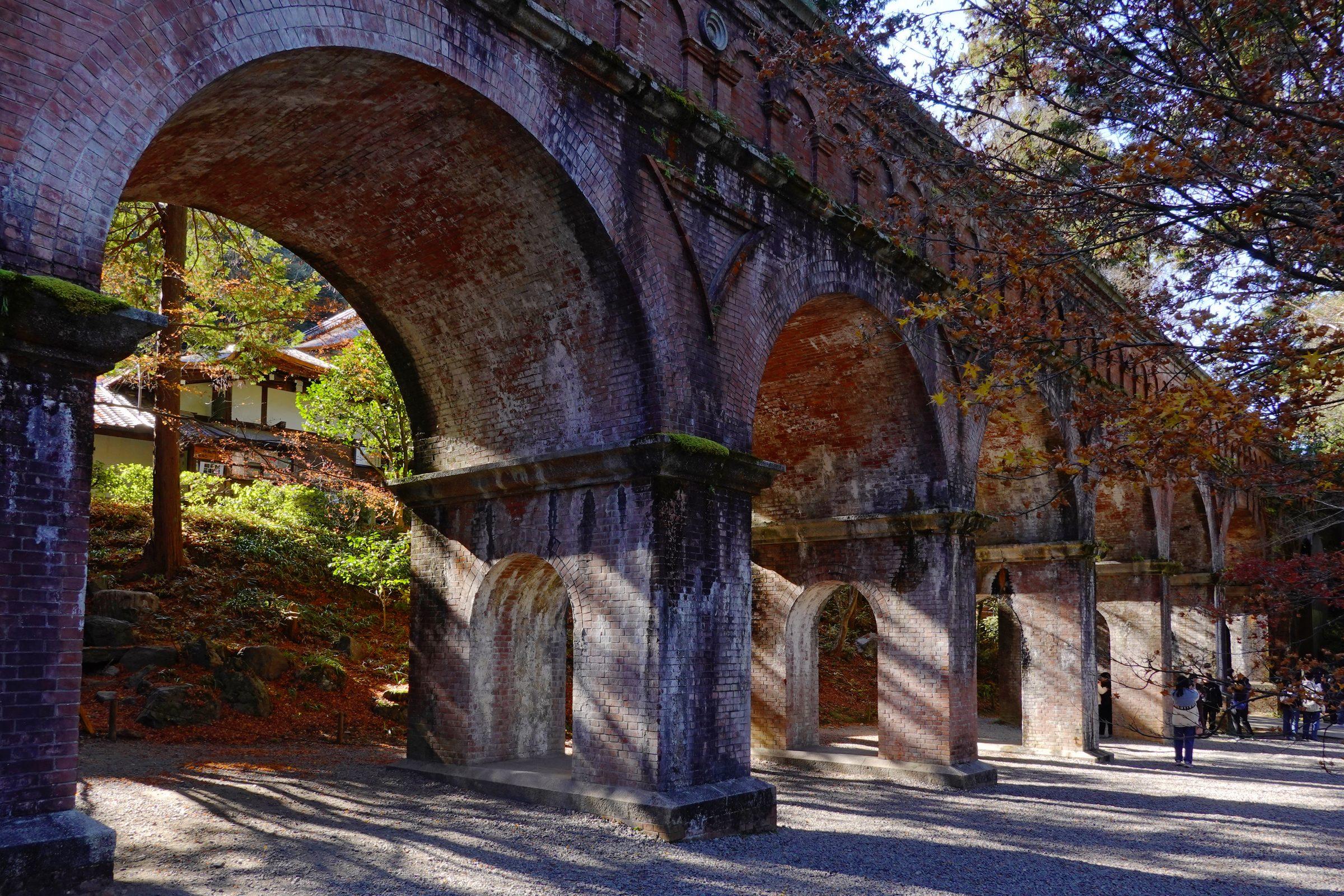
Photo: 663highland on Wikimedia Commons (CC BY-SA 4.0)

At the foot of the eastern hills, Nanzen-ji is one of the great Zen temples of Japan, and one of the most rewarding places in Kyoto to spend a slow morning. It began as an emperor's villa, was given a rank above every other Zen temple in the country, and has a gate so famous that a kabuki outlaw admires the view from its balcony. Then there's the surprise: a red-brick aqueduct from the Meiji period, still carrying water straight through the temple grounds. This guide explains what to see, opening hours and fees for 2026, the autumn special viewings, and how to get there.
The short version
- The grounds: no ticket needed to walk around the temple, the gate and the aqueduct.
- Tickets: ¥600 each for the Hojo garden and the Sanmon gate balcony (adults).
- Hours: 8:40 am to 5 pm (to 4:30 pm from December to February).
- In November 2026: the Nanzen-in garden opens for the whole month, and the inside of the Dharma Hall opens from November 16 to 29 (except the 26th).
- Getting there: about 10 minutes on foot from Keage Station on the Tozai subway line.
From an emperor's villa to the top Zen temple
In 1289, the retired Emperor Kameyama took vows as a monk at his villa in the eastern hills, called Zenrinji-den. According to the temple's history, strange and ghostly things then began to happen at the villa. The Zen master Mukan Fumon moved in with his monks, and simply got on with their practice: sitting in zazen, cleaning and chanting. The disturbances stopped.
Impressed, Kameyama turned the villa into a Zen temple in 1291, with Mukan Fumon as its founding abbot. Mukan died at the end of that same year, and it was the second abbot, Kian Soen, who spent about 15 years building the temple. It was first called Zenrin-ji, after the villa, and soon renamed Nanzen-ji.
Its standing grew fast. In 1386, the shogun Ashikaga Yoshimitsu reorganised Japan's ranking of Zen temples, the Five Mountains, and placed Nanzen-ji in a class of its own, above the Five Mountains of both Kyoto and Kamakura. Fire and war destroyed much of it in the centuries that followed, and most of what you see today was rebuilt in the early 1600s, with gifts from the imperial court and the great warlords of the age.
Mukan Fumon's memorial temple, Tenjuan, still stands in the grounds, with one of the loveliest autumn gardens in Kyoto.
The Sanmon gate
You can't miss it. The Sanmon is a two-storey wooden gate about 22 metres high, and the temple counts it among the three great gates of Japan. The first gate here was given in 1295. The one you see was built in 1628 by the warlord Todo Takatora, to pray for his men who died at the Siege of Osaka. It is an Important Cultural Property.
The outlaw on the gate. In the kabuki play Sanmon Gosan no Kiri, first staged in 1778, the thief Ishikawa Goemon stands on the gate looking over Kyoto in spring and cries "Zekkei kana! Zekkei kana!", "What a view! What a view!" It's one of the best-known lines in kabuki. The real Goemon was executed in 1594, more than 30 years before this gate was built, but nobody lets that spoil the story.
You can climb steep stairs to the balcony and see the view for yourself. Inside the upper floor, which is normally closed, is a crowned Buddha with the Sixteen Arhats, along with statues of Tokugawa Ieyasu and Todo Takatora, under a ceiling of phoenixes and heavenly beings attributed to the painters Kano Tan'yu and Tosa Tokuetsu.
The Hojo and its gardens
The Hojo, the abbot's quarters, is a National Treasure. It was rebuilt in 1611 using buildings given by the imperial palace: tradition says the larger hall came from the palace's Seiryoden. Its sliding doors carry Kano school paintings from the late 1500s. Most of the originals are now kept in storage for protection, so many of the panels you see are careful reproductions. In the smaller hall is the Room of Tigers, with tigers attributed to Kano Tan'yu, said to have come from Fushimi Castle.
The garden of leaping tiger cubs
In front of the Hojo is one of Kyoto's finest dry gardens, traditionally attributed to Kobori Enshu and a national Place of Scenic Beauty since 1951. Its rocks and white gravel are known as Tora no ko watashi, "tiger cubs crossing the water". A long, low earthen wall frames it, with the trees of the hills rising behind.
The smaller gardens
- Nyoshin-tei: a stone garden made in 1966, when the abbot asked for a garden that expressed the mind. The stones are laid out in the shape of the character for "heart" (心).
- Rokudo-tei: stones set in moss, as a reminder of the six realms of rebirth in Buddhist teaching.
Your Hojo ticket covers the gardens and the halls. You can also sit with a bowl of matcha in the temple's tea room, which is open from 9:30 am to 3:30 pm.
The brick aqueduct
Walk around the side of the Hojo, and you'll find something you don't expect in a Zen temple: a row of red-brick arches, like a piece of ancient Rome among the maples. This is the Suirokaku, built in the late 1880s as part of the Lake Biwa Canal. After Tokyo became the capital, Kyoto's fortunes fell, and the city dug a canal through the mountains from Lake Biwa to bring in water, boats and, soon after, Japan's first commercial hydroelectric power. The canal opened in 1890.
The aqueduct was designed by the young engineer Tanabe Sakuro. The first plan was a tunnel, but it would have passed behind Emperor Kameyama's tomb, so the temple objected, and the water was carried over the grounds instead. Water still flows along the top today. In 2025, the canal works, the aqueduct included, were named a National Treasure. There's no ticket, and it's one of the most photographed spots in Kyoto, so come early for a quiet picture.
More to see in the grounds
- Nanzen-in: just past the aqueduct, the garden on the site of Kameyama's villa, the place where Nanzen-ji began. It's a pond garden from the end of the Kamakura period, with a waterfall and a pond in the shape of a dragon, and Kameyama asked for part of his remains to be buried here. It's closed for repair work until spring 2027, except for a special viewing from November 1 to 30, 2026.
- The Dharma Hall (Hatto): the temple's main hall for ceremonies, rebuilt in 1909 after a fire. On its ceiling is a great coiled dragon by the painter Imao Keinen. You can look in from the door, and in 2026 the inside opens from November 16 to 29 (except the 26th), 9 am to 4 pm, closed from noon to 1 pm. ¥500 from high school age, free for younger children.
- The Chokushimon: the imperial messengers' gate, given by the court in 1641. It opens only when a new abbot is installed.
- Tenjuan: a sub-temple with a zig-zag stone path across white gravel and a pond garden in the woods, at its best in late November (¥500).
- Yudofu: simmered tofu is said to have begun as the temple food of the approach roads around Nanzen-ji, and it's still the classic lunch in the area.
Opening hours and fees
| Details | |
|---|---|
| March 1 to November 30 | 8:40 am to 5 pm |
| November 2026 weekends and holidays | 8:40 am to 5:15 pm |
| December 1 to February 28 | 8:40 am to 4:30 pm |
| Last tickets | 20 minutes before closing |
| Closed | December 28 to 31 (open over New Year) |
| The grounds | No ticket needed |
| Ticket | Adults | High school | Elementary and junior high |
|---|---|---|---|
| Hojo garden | ¥600 | ¥500 | ¥400 |
| Sanmon gate balcony | ¥600 | ¥500 | ¥400 |
| Nanzen-in | ¥500 | ¥450 | ¥350 |
| Dharma Hall | ¥500 | ¥500 | Free |
In 2026, Nanzen-in is open only from November 1 to 30, and the inside of the Dharma Hall only from November 16 to 29 (except the 26th). Visitors with a disability certificate and one companion enter free. You can reach the temple on 075-771-0365.
Zazen and early-morning viewings
Nanzen-ji is a working training temple, and it opens its doors in a few ways beyond the usual tickets. All of them are run in Japanese.
- Dawn zazen (gyoten zazen): a talk and seated meditation for about an hour from 6:30 am. In November 2026, it's on November 8 and 22. Arrive 10 minutes early.
- Sutra copying (shakyo): on November 15, 2026, from 1 pm, for a ¥1,000 offering. No need to bring anything.
- Early-morning special viewing: on selected mornings in November, monks lead a group of up to 30 through rooms of the Hojo and the inside of the Sanmon gate's upper floor, both normally closed. It runs from 7:30 am for about 50 minutes and costs ¥3,000, including a temple seal (goshuin) and a souvenir. Photos aren't allowed. The remaining 2026 dates are November 21, 22, 23, 28 and 29. Booking is required through the temple's Japanese-only online form, by 4 pm three days before.
When to go
| Season | What to expect |
|---|---|
| Early April | Cherry blossoms around the Sanmon gate, the view Goemon admires in the play |
| May to June | Fresh green maples, and much smaller crowds |
| Mid to late November | Peak autumn leaves and the special viewings. The busiest time of the year |
| Winter | Quiet and calm. Closed to general visitors from December 28 to 31 |
In autumn, the grounds fill up by mid-morning. Arrive when the gates open at 8:40 am, see the aqueduct and the Sanmon first, then go into the Hojo before the tour groups do. Autumn colour depends on the weather each year, so check a recent leaf report before you go.
Getting there
- By subway: Keage Station on the Tozai Line, then about 10 minutes on foot. The temple recommends the short cut through the Nejiri-manpo, a brick tunnel under the old incline railway of the Lake Biwa Canal.
- By bus: city bus to Nanzenji/Eikando-michi or Higashi-Tennocho, then about 10 minutes on foot.
- By car: the temple car park charges ¥1,000 for up to 2 hours. From mid-November to mid-December it may be for buses only, so public transport is easier in autumn.
- Nearby: Eikando, famous for its autumn maples, is a short walk north, and the Philosopher's Path begins beyond it.
See Kyoto with a private guide
Nanzen-ji is easy to enjoy and easy to rush. Without a guide, the gate is a big gate, the garden is gravel and rocks, and the aqueduct is a nice photo. With one, they become a kabuki outlaw, a garden of tiger cubs, and a city that dug through a mountain to save itself. A private guide can also plan your visit around the crowds and the special openings, and take you on through Tenjuan, Eikando or the Philosopher's Path at your own pace. On a private tour, it's just you and your own group, never strangers.
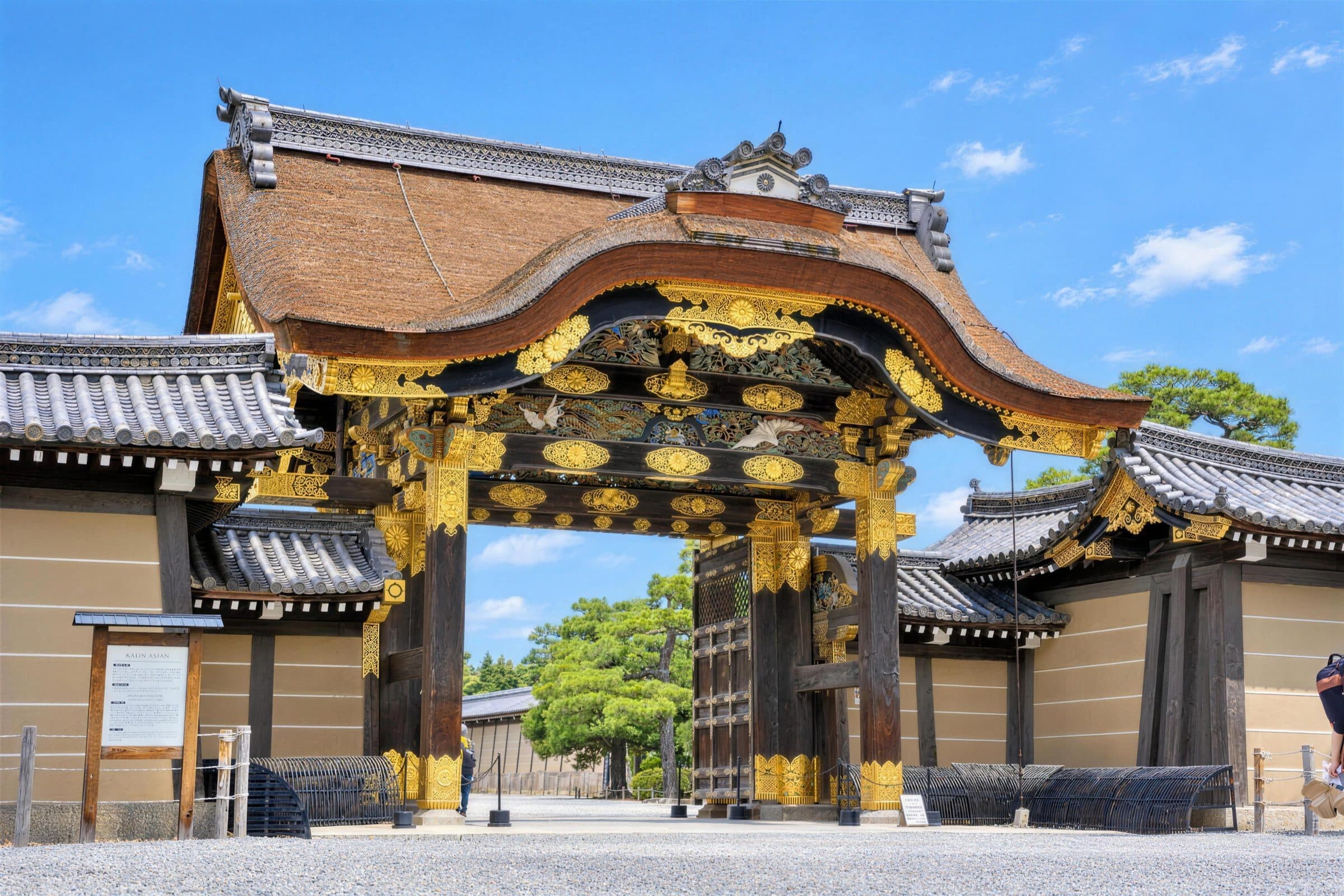
The Hojo's halls came from the emperors' palace, and our private Nijo Castle and Imperial Palace tour takes you through the palace itself and the shogun's castle with your own English-speaking guide.
Book this tour
Kyoto: 2.5-Hour Private Nijo Castle & Imperial Palace Tour
A private walk through the shogun's Nijo Castle and the Kyoto Imperial Palace, with an English-speaking guide.
2 h 30 min · Kyoto · Nijo
We don't run a set tour to Nanzen-ji, but we can look at arranging a private visit on request. Get in touch with your dates and what you'd like to see, and we'll let you know what we can do.
Please note. We wrote this guide in November 2026. Hours, fees and 2026 dates come from Nanzen-ji's official website. The aqueduct's history and the kabuki story come from encyclopedia sources. Hours and special openings change through the year, so check before you go.
Sources
- Nanzen-ji: History (Japanese)
- Nanzen-ji: Visiting hours and fees (Japanese)
- Nanzen-ji: Autumn 2026 special viewings (Japanese)
- Nanzen-ji: November 2026 hours and events (Japanese)
- Nanzen-ji: Autumn 2026 early-morning viewing (Japanese)
- Nanzen-ji: Nanzen-in closure (Japanese)
- Nanzen-ji: The Sanmon gate (Japanese)
- Nanzen-ji: The Hojo (Japanese)
- Nanzen-ji: Gardens (Japanese)
- Nanzen-ji: The Lake Biwa Canal (Japanese)
- Nanzen-ji: Nanzen-in (Japanese)
- Nanzen-ji: The Dharma Hall (Japanese)
- Nanzen-ji: Access (Japanese)
- Wikipedia: Nanzen-ji (Japanese)
- Wikipedia: Nanzen-ji
Frequently asked questions
How much does it cost to visit Nanzen-ji?
Walking the grounds, past the Sanmon gate, the Dharma Hall and the brick aqueduct, needs no ticket. You pay for the parts with gates: ¥600 for adults for the Hojo garden, ¥600 to climb the Sanmon gate, and ¥500 for the Nanzen-in garden when it's open.
What are Nanzen-ji's opening hours?
8:40 am to 5 pm from March to November, and 8:40 am to 4:30 pm from December to February. Ticket sales stop 20 minutes before closing. In November 2026, it stays open until 5:15 pm on weekends and public holidays. It's closed to general visitors from December 28 to 31.
Is Nanzen-in open in 2026?
Only in November. Nanzen-in, the garden on the site of Emperor Kameyama's villa, is closed for repair work until spring 2027, but it opens for a special viewing from November 1 to 30, 2026 (¥500 for adults).
What is the brick aqueduct at Nanzen-ji?
It's the Suirokaku, a red-brick aqueduct built in the late 1880s for the Lake Biwa Canal, which brought water from Lake Biwa to Kyoto. It still carries water through the temple grounds, and it was named a National Treasure in 2025 along with the other canal works.
What is the Sanmon gate famous for?
Its size, at about 22 metres high, and a kabuki play. In the play, the outlaw Ishikawa Goemon stands on the gate and cries "Zekkei kana!" ("What a view!"). The real Goemon was executed in 1594, more than 30 years before the present gate was built in 1628, but the scene made the gate famous all the same. You can climb to the balcony for ¥600.
When are the autumn leaves at Nanzen-ji?
Usually from mid to late November. It's also when the temple opens places that are normally closed: in 2026, the Nanzen-in garden from November 1 to 30, and the inside of the Dharma Hall from November 16 to 29 (except the 26th).
Can you do zazen meditation at Nanzen-ji?
Yes, at the temple's dawn zazen sessions. In November 2026, they're held at 6:30 am on November 8 and 22, with a talk, for about an hour. The temple also holds sutra copying sessions. Sessions are in Japanese.
How do I get to Nanzen-ji?
Take the Tozai subway line to Keage Station and walk about 10 minutes, through the brick tunnel known as the Nejiri-manpo. You can also take a city bus to Nanzenji/Eikando-michi or Higashi-Tennocho and walk about 10 minutes.