
Blog · 7 November 2026 · 9 min read
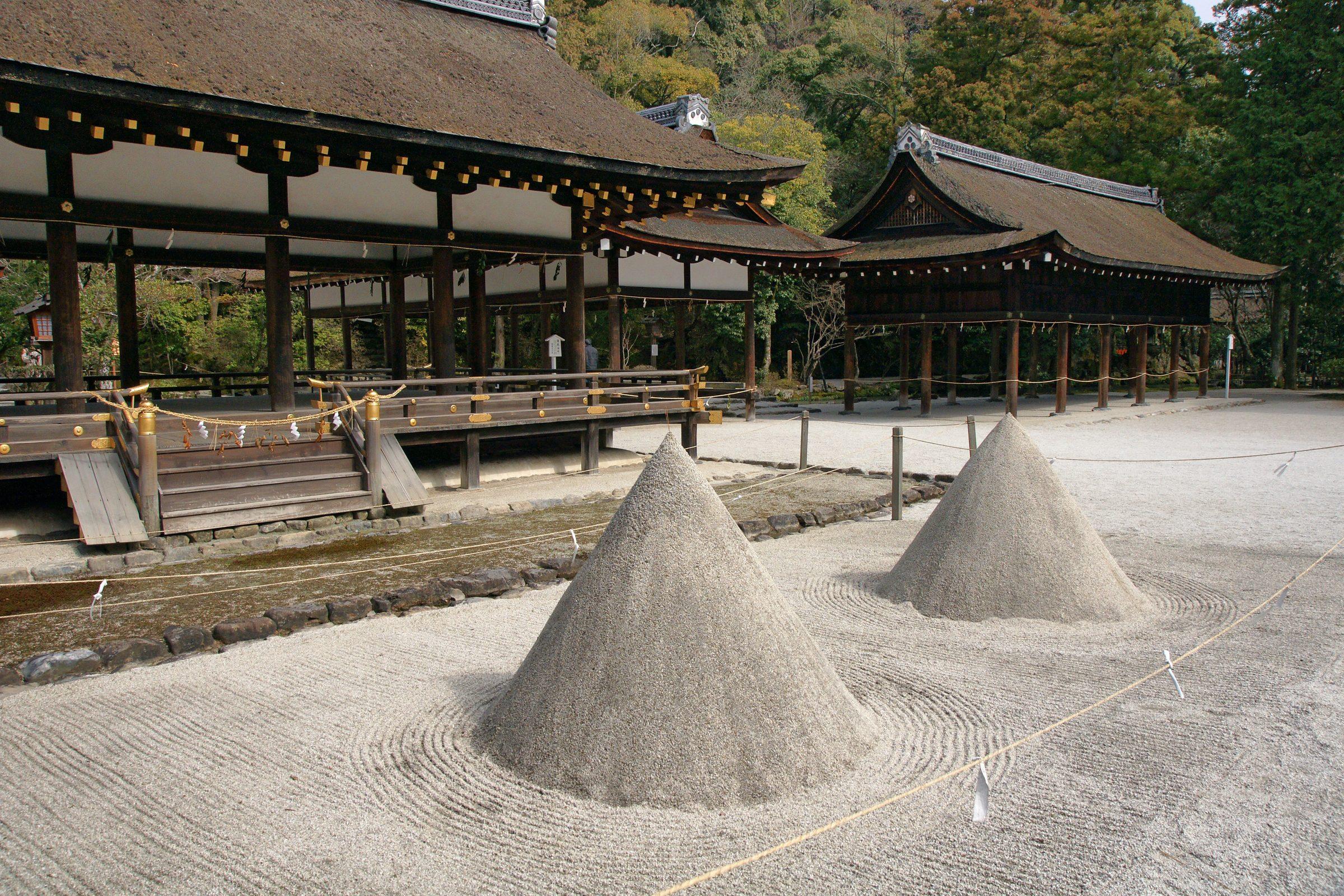
Photo: 663highland on Wikimedia Commons (CC BY 2.5)

Kamigamo and Shimogamo are two of the oldest shrines in Kyoto, and they were here before Kyoto was. They are both on the UNESCO World Heritage list, and they share one myth, one festival and one family of gods. Yet many visitors see only one of them and miss how the two fit together. This guide explains the story behind them, what to see at each, opening hours and fees, when to go, and how to see both in half a day.
The short version
- The grounds of both shrines cost nothing to enter. Only the special viewings charge a fee.
- Kamigamo: white sand cones, open grounds and a mountain behind them. Go inside the sacred area with a priest for ¥500 (¥1,000 until December 6, 2026).
- Shimogamo: an ancient forest and a vermilion gate. See the gods' kitchen for ¥1,000.
- Allow about an hour at each, plus an hour to walk between them along the river, or take city bus 4.
- Best times: May 15 for the Aoi Matsuri, and early to mid-December for autumn leaves in Shimogamo's forest.
The story that connects them
The two shrines are best understood as one family. Their shared myth comes from the old records of this region, and Kamigamo tells it on its website.
Tamayori-hime, a daughter of the Kamo clan, was purifying herself in the river when a red arrow came floating down the stream. She took it home and laid it by her bed, and through its power she became pregnant and gave birth to a son.
When the boy came of age, his grandfather Kamo-taketsunumi held a feast for seven days and nights, and told him to offer a cup to the god he believed to be his father. The boy said his father was a god of heaven, threw the cup into the sky, and rose through the roof in a crash of thunder. His family longed to see him again. He came to his mother in a dream and told her how to hold a ceremony to welcome him, with horses and with decorations of hollyhock. They did as he said, and he came down as a grown god onto Mt. Koyama, the mountain behind today's shrine.
That story is the map of both shrines:
- Kamigamo (officially Kamo-wakeikazuchi Shrine) honours the son, the god of thunder.
- Shimogamo (officially Kamo-mioya Shrine, "the shrine of the Kamo ancestors") honours his mother and grandfather, each in a main hall of their own.
Kami means upper and shimo means lower. One shrine stands upstream on the Kamo River. The other stands downstream, where the Kamo and Takano rivers meet.
The river isn't named after ducks. Kamo is also the Japanese word for duck, and the river's official name, 鴨川, is written with the character for duck. So you may hear that it was named for the ducks that once gathered on its banks. The evidence points to people instead. The Kamo clan made the area around Kamigamo their home in ancient times, the area came to be called Kamo (賀茂), and the river took its name from there. The duck character is simply another way of writing the same sound, in use since at least 815. You can still see both spellings in the shrines' Japanese names: Kamigamo is 上賀茂 and Shimogamo is 下鴨.
A short history
No one knows exactly how old these shrines are. Shimogamo says its founding date is unknown, and its traditional records go back to repairs in 90 BC. That date comes from legend rather than history, but archaeologists have found ancient pottery and Yayoi-period dwellings around its forest. At Kamigamo, the shrine dates its buildings to 677, when the provincial government built them.
When the capital moved to Kyoto in 794, the Kamo shrines became its protectors. Shimogamo says that a prayer for the new city's success was offered there first. Emperors visited, and from 810 an unmarried imperial princess, the Saio, served the Kamo gods. Only the great shrine of Ise had the same honour. The shrines often appear in Heian-period literature such as The Tale of Genji and The Pillow Book.
From 1036, both shrines were set to be renewed about every 21 years. The main halls you see today at both date from 1863 and are National Treasures. Much of the rest of Kamigamo dates from 1628. In the Meiji period, the two shrines stood at the top of the official ranking of Japan's shrines, and in 1994 they were added to the World Heritage list.
What to see at Kamigamo
The sand cones
Pass through the second torii gate and you'll see the shrine's most famous sight: two neat cones of white sand in front of the Hosodono hall. These are the tatesuna. They represent Mt. Koyama, where the god came down, and the pine needles at their tips, three on one and two on the other, stand for yang and yin.
Mt. Koyama
The mountain is the point of the whole shrine. It stands about 2 km to the north-northwest, 301.5 metres high, with the great rock at its top said to be where the god descended. The main hall is built to face it in worship.
The National Treasure halls
The inner area holds two identical buildings side by side: the Honden, the main hall, and the Gonden, which houses the god whenever the main hall is under repair. They are the classic example of the nagare-zukuri style, with a long sweeping roof, and the shrine says that style accounts for about 60% of Japan's shrines.
You can only see them on the special visit. A priest purifies you and leads you into the inner area, which is closed to ordinary visitors. Photos aren't allowed. It's the highlight of a visit to Kamigamo, so check the dates before you go (see the table below).
The sacred horse and the stream
The shrine's sacred horse, Koyama-go, usually comes out on Sundays, public holidays and festival days from 9:30 am to about 3 pm, depending on the weather and the horse's health. The Nara no Ogawa stream runs through the grounds, and it's a pleasant place to end your walk.
Nearby: the priests' houses and Ota Shrine
Just outside the shrine, along the Myojin stream, is Shake-machi, the old neighbourhood of the Kamo priests, with earthen walls and gateways beside the water. It has been a protected historic district since 1988. About 800 metres east of the shrine is Ota Shrine, which Kamigamo says is older than itself. Its marsh is a national natural monument, covered in deep purple irises in mid-May.
What to see at Shimogamo
Tadasu no Mori
You reach Shimogamo through a forest. Tadasu no Mori covers about 12.4 hectares, with streams running through it, and the shrine describes it as keeping the look of the ancient wilderness. A long path leads north under the trees to the shrine gate. It's a surprise to find this in the middle of a city, and it's the reason to come here even if you've seen many other shrines.
Kawai Shrine
Inside the forest is a smaller shrine devoted to beauty and to protecting women. Visitors buy a wooden plaque shaped like a hand mirror, called a kagami-ema, and draw their ideal face on it using their own make-up. Kawai Shrine also has a link to one of Japan's best-known writers: Kamo no Chomei, the author of Hojoki, was the son of a priest here. A reconstruction of his tiny hut is on show in the paid viewing area of the main shrine.
The Romon gate and the main halls
At the end of the forest path is the vermilion Romon gate. Inside are the two main halls, the West for Kamo-taketsunumi and the East for Tamayori-hime. Nearby are seven small shrines that guard the 12 signs of the zodiac, where visitors pray at the one for the year they were born.
Mitarashi Pond and the dango
Mitarashi Pond is where the woman chosen to play the Saio purifies her hands before the Aoi Matsuri, and where people wade to purify their feet in midsummer. Shimogamo says the sweet skewered dumplings known across Japan as mitarashi dango take their shape from the bubbles rising in this water. Also in the grounds is the plum tree said to be the model for Ogata Korin's famous red and white plum screen.
The gods' kitchen
The Oidono, an Important Cultural Property, is the kitchen where offerings to the gods were prepared. On the paid viewing, you can see it with its well house, replicas of the food offerings and old cooking tools, along with Aoi Matsuri materials in the carriage house.
Smaller surprises
- Aioi Shrine: a shrine for finding love, beside a sacred tree formed from two trunks joined as one.
- Tobe Shrine: dedicated to Yatagarasu, the three-legged crow on the Japan Football Association's badge, so football fans come here to pray.
- Sawata Shrine: a shrine for ball sports, with a stone marking the site of the first rugby match in the Kansai region.
Which one should you visit?
| Kamigamo | Shimogamo | |
|---|---|---|
| Honours | The thunder god | His mother and grandfather |
| Feels like | Open and quiet, with a mountain behind it | Deep forest leading to a bright gate |
| Best-known sight | The sand cones | Tadasu no Mori and the Romon gate |
| Best extra | Priest-led visit to the National Treasure halls | The gods' kitchen |
| Getting there | Further north, so allow more time | Closer to central Kyoto |
With half a day, start at Kamigamo in the morning and walk south along the Kamo River to Shimogamo, or do it the other way around. Either way, you follow the route of the Aoi Matsuri.
Opening hours and fees
Kamigamo Shrine
| Details | |
|---|---|
| Second torii gate | 5:30 am to 5 pm |
| Romon gate | 8 am to 4:45 pm |
| Grounds | No charge |
| Special visit, usual | Reception 10 am to 4 pm. ¥500 for adults |
| Special visit, Oct 31 to Dec 6, 2026 | Reception 9 am to 4 pm. ¥1,000 for adults, ¥500 for junior high and high school students |
| No special visit in 2026 | November 17 and 27 |
| Afternoon only in 2026 (1 pm to 4 pm) | November 13, 15, 16, 19, 20, 21 and 23 |
| Morning only in 2026 (9 am to noon) | November 12 |
The usual special visit also stops around the Aoi Matsuri and the New Year: last winter, it paused from December 8 to January 18. Call the shrine on 075-781-0011 before you plan around it.
Shimogamo Shrine
| Details | |
|---|---|
| Inside the Romon gate | 6:30 am to 5 pm |
| Kawai Shrine | 6:30 am to 4:30 pm |
| Grounds and forest | No charge |
| Special viewing (Oidono) | 10 am to 4 pm. ¥1,000 for adults, no charge for junior high school students and younger |
Hours can change for ceremonies. You can reach Shimogamo on 075-781-0010.
When to go
| Season | What to expect |
|---|---|
| May 15 | The Aoi Matsuri. Excellent, but very busy. The events leading up to it start in early May |
| Mid-May | Irises in bloom at Ota Shrine |
| Summer | Cool shade in Tadasu no Mori, the foot-wading ritual at Mitarashi Pond, and a second-hand book fair in the forest in mid-August |
| Oct 31 to Dec 6, 2026 | Autumn special opening of Kamigamo's National Treasure halls |
| Early to mid-December | Autumn leaves in Tadasu no Mori, later than most of Kyoto |
The Aoi Matsuri is the best reason to plan a trip around these shrines. More than 500 people in Heian-period court dress, with 36 horses and 4 oxen, walk about 8 km. They leave the Kyoto Imperial Palace at 10:30 am, stop for rites at Shimogamo, then head north along the Kamo River to reach Kamigamo at about 3:30 pm. The procession is decorated with hollyhock leaves, the crest of both shrines, which go back to the god's instructions in the myth.
Getting there
Kamigamo Shrine
- By bus: city bus 4 from Kyoto Station to Kamigamo-jinja-mae, which stops right by the shrine.
- By subway: Kitaoji or Kitayama Station on the Karasuma Line, then about 25 minutes on foot, or a short bus ride.
- By car: about 30 minutes from Kyoto Station. The car park costs ¥200 per 30 minutes, or a flat ¥1,000 on busy days.
Shimogamo Shrine
- By bus: city bus 4 or 205 from Kyoto Station to Shimogamo-jinja-mae or Tadasunomori-mae.
- By train: Demachiyanagi Station on the Keihan Line, then about 12 minutes on foot.
- By taxi: about 20 minutes from Kyoto Station, for ¥2,000 to ¥3,000, according to the shrine.
Between the two
It's about 4 km on foot, roughly an hour, and the path along the Kamo River is one of the nicest walks in the city. City bus 4 also stops near both shrines.
See Kyoto with a private guide
Few places in Kyoto gain as much from a guide as these two. Without the story, Kamigamo is two piles of sand and Shimogamo is a pleasant forest with a red gate. With it, you're walking through a family myth that shaped one of the city's great festivals. A private guide can tell you that story where it happened, go at your own pace, and answer whatever you're curious about. On a private tour, it's just you and your own group, never strangers.
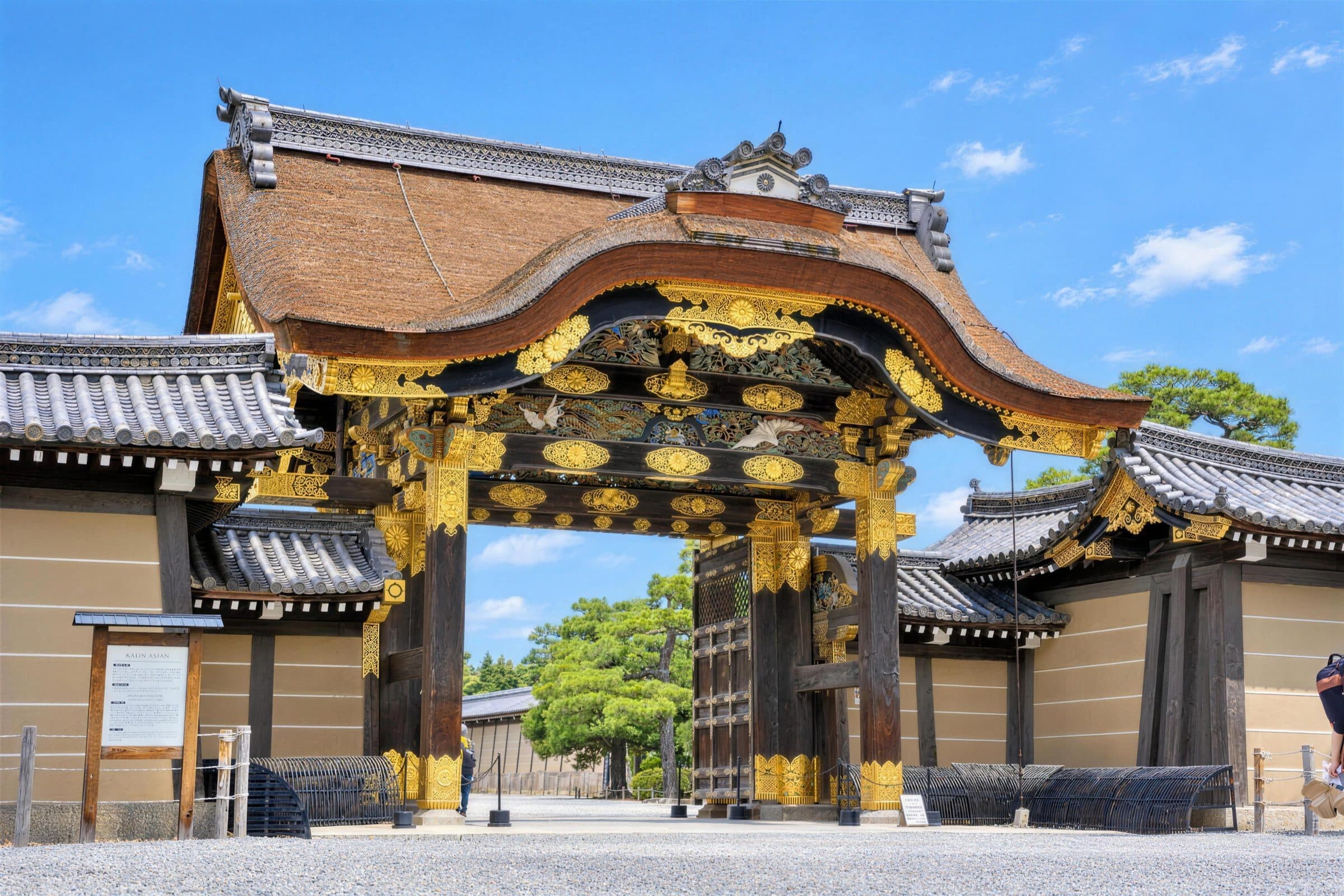
Our private Nijo Castle and Imperial Palace tour covers the next chapter of the same history. The emperors the Kamo shrines protected lived at the palace, and the Aoi Matsuri still starts from there each May. Our guide to the Kyoto Imperial Palace gives a taste of what you'll see.
Book this tour
Kyoto: 2.5-Hour Private Nijo Castle & Imperial Palace Tour
A private walk through the shogun's Nijo Castle and the Kyoto Imperial Palace, with an English-speaking guide.
2 h 30 min · Kyoto · Nijo
Would you rather spend your private tour at Kamigamo and Shimogamo, or somewhere else in Kyoto? Get in touch and tell us what you'd like to see.
Please note. We wrote this guide in November 2026. Hours, fees and the dates of the Kamigamo special opening come from the shrines' official websites and the Kyoto Association for the Preservation of Cultural Properties. Ceremonies often change the times, so check before you go.
Sources
- Kamigamo Shrine: Visiting hours (Japanese)
- Kamigamo Shrine: Special visit to the National Treasure halls (Japanese)
- Kamigamo Shrine: The myth and timeline (Japanese)
- Kamigamo Shrine: Guide to the grounds (Japanese)
- Kamigamo Shrine: The main halls (Japanese)
- Kamigamo Shrine: Ota Shrine (Japanese)
- Kamigamo Shrine: The Aoi Matsuri (Japanese)
- Kamigamo Shrine: Access (Japanese)
- Shimogamo Shrine: Gods, history and myths (Japanese)
- Shimogamo Shrine: Map of the grounds (Japanese)
- Shimogamo Shrine: Special viewing (Japanese)
- Shimogamo Shrine: Kawai Shrine (Japanese)
- Shimogamo Shrine: Access (Japanese)
- Kyoto Association for the Preservation of Cultural Properties: Autumn 2026 special openings (Japanese)
- Kyoto City Tourism Association: The Aoi Matsuri (Japanese)
- Walkerplus: Shimogamo Shrine autumn leaves (Japanese)
- Japan National Tourism Organization: Kamigamo and Shake-machi
- JEEPE: Kyoto's historic streets
- Wikipedia: Shimogamo Shrine
- Wikipedia: Kamo River, citing the Kyoto Daijiten
- Serai: The Kamo shrines and the river (Japanese)
- Kotobank: Kamo River (Japanese)
Frequently asked questions
What is the difference between Kamigamo Shrine and Shimogamo Shrine?
They are two halves of one ancient tradition, the Kamo shrines. Kamigamo, upstream, honours the thunder god Kamo-wakeikazuchi and is known for its open grounds, sand cones and sacred mountain. Shimogamo, downstream, honours his mother and grandfather and is known for its forest, Tadasu no Mori, and its bright vermilion gate.
Is the Kamo River named after ducks?
No. Kamo also means duck, and the river's official name is written with the character for duck, but the name comes from the Kamo clan. They made the Kamigamo area their home in ancient times, the area came to be called Kamo, and the river took its name from there.
Which should I visit, Kamigamo or Shimogamo?
If you only have time for one, Shimogamo is easier to reach and has more to see in a short walk, including the forest. Kamigamo is quieter and more open, and it's the one to choose if you'd like to go inside the sacred area with a priest. If you have half a day, see both, because the story only makes sense with the two together.
How much does it cost to visit?
Walking the grounds of either shrine costs nothing. The paid extras are Kamigamo's special visit to its National Treasure halls (¥500 for adults, or ¥1,000 from October 31 to December 6, 2026) and Shimogamo's special viewing of the Oidono, the gods' kitchen (¥1,000 for adults).
What are the opening hours?
At Kamigamo, the second torii gate opens from 5:30 am to 5 pm and the Romon gate from 8 am to 4:45 pm. At Shimogamo, the area inside the Romon gate opens from 6:30 am to 5 pm, and Kawai Shrine from 6:30 am to 4:30 pm. Hours can change for ceremonies.
What are the sand cones at Kamigamo Shrine?
They are called tatesuna. According to the shrine, the two cones represent Mt. Koyama, the sacred mountain where the god is said to have descended. Pine needles at the tips, three on one and two on the other, stand for yang and yin.
Can I walk between Kamigamo and Shimogamo?
Yes. It's about 4 km and takes around an hour, mostly along the Kamo River. City bus 4 also stops near both shrines.
When is the Aoi Matsuri?
May 15 each year. A procession in Heian-period court dress leaves the Kyoto Imperial Palace at 10:30 am, stops at Shimogamo, and reaches Kamigamo at about 3:30 pm. It's one of Kyoto's great festivals, and it belongs to these two shrines.
When are the autumn leaves at Shimogamo Shrine?
They're usually at their best from early to mid-December, later than most of Kyoto's famous autumn spots. The colour is in the forest of Tadasu no Mori, and the timing depends on the weather each year.